OPSEC is both a process and a strategy, and it encourages IT and security managers to view their operations and systems from the perspective of a potential attacker. It includes analytical activities and processes like behavior monitoring, social media monitoring, and security best practice..
Why is OPSEC important? A crucial piece of what is OPSEC is the use of risk management to discover potential threats and vulnerabilities in organizations’ processes, the way they operate, and the software and hardware their employees use. Looking at systems and operations from a third party’s point of view enables OPSEC teams to discover issues they may have overlooked and can be crucial to implementing the appropriate countermeasures that will keep their most sensitive data secure.
Audit Management Solutions are software or cloud-based platforms that help organizations to plan, execute, report and follow up on internal or external audits. Audit Management Solutions Features and Capabilities:(Audit Planning-Audit Execution-Audit Reporting-Audit Follow-up)
Client Management Tools are software or cloud-based platforms that help organizations to plan, execute, report and follow up on internal or external audits. Client Management Tools Features & Capabilities:(Audit Planning-Audit Execution-Audit Reporting-Audit Follow-up)
Insider Risk Management is a compliance solution that helps minimize internal risks by enabling you to detect, investigate, and act on malicious and inadvertent activities in your organization. Why is Insider Risk Management important? It helps you to protect your data and assets from cyberattacks by finding and fixing the vulnerabilities before they are exploited by hackers or malicious actors12.
IT Infrastructure Monitoring Tools are software or cloud-based platforms that help organizations to track the health and performance of their IT infrastructure components, such as: servers, networks, containers, databases, and applications. IT Infrastructure Monitoring Tools Features and Capabilities:(Data Collection-Data Analysis-Data Visualization-Data Alerting)
IT Process Automation (ITPA) is the use of software or cloud-based platforms to automate the repetitive, manual, or rule-based tasks and workflows that are involved in the IT operations and services. IT Process Automation (ITPA) Features and Capabilities:(Workflow Design-Task Automation-IntegrationOrchestration)
IT Service Management (ITSM) is the practice of designing, delivering, managing, and improving the IT services and systems that support the business processes and objectives of an organization. IT Service Management (ITSM) Features and Capabilities:(Service Desk-Configuration Management-Service Level Management-Knowledge Management)
Security and Event Management (SIEM) is a technology that collects, analyzes, and correlates the data from various sources, such as logs, events, alerts, or incidents, that are related to the security of an IT system or network. Security and Event Management (SIEM) Features and Capabilities:(Data Collection-Data Analysis-Data Visualization-Data Alerting)
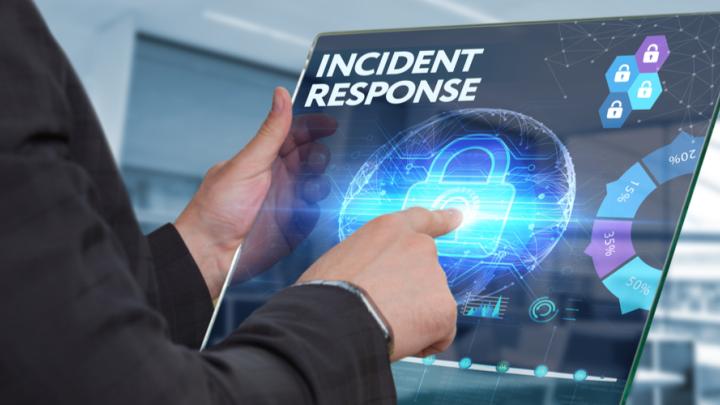
Security Orchestration, Automation and Response (SOAR) is a technology that helps organizations to streamline and automate their security operations and incident response processes Security Orchestration, Automation and Response Features and Capabilities:(Orchestration-Automation-Response-Collaboration)